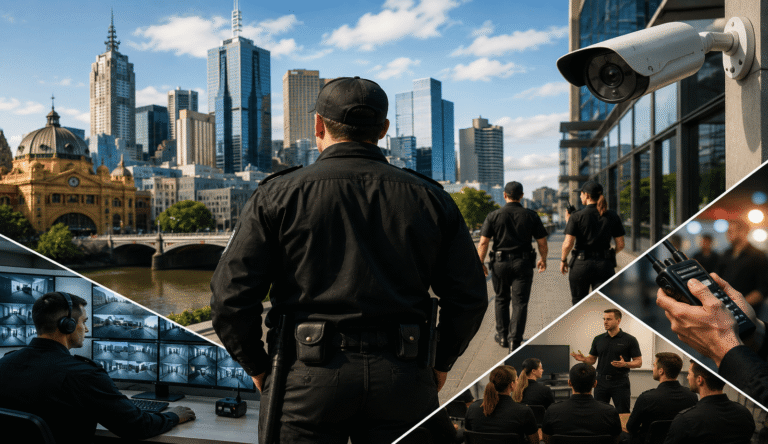

Security is no longer just about locks, keys and physical barriers. Modern homes, businesses and commercial facilities increasingly rely on CCTV cameras, alarm systems and electronic security technology to monitor properties, identify potential threats and improve safety.
As security technology continues to evolve, so does the need for people with the practical skills to install, configure, maintain and troubleshoot these systems.
If you’re considering a career in the security industry or looking to expand your technical capabilities, CCTV installation and alarm installation training can be a valuable place to start.
In this guide, we explore what these security courses involve, the skills you can develop and why practical training matters when working with modern security systems.
Why Are Security Installation Skills in Demand?
Security systems are becoming increasingly sophisticated.
Modern CCTV systems can include high-resolution cameras, network connectivity, remote monitoring, recording systems and advanced software. Similarly, alarm systems can incorporate sensors, control panels and other security equipment designed to detect and respond to specific events.
Installing these systems correctly requires more than basic technical knowledge.
A security technician may need to understand:
- Equipment selection and installation
- Camera positioning
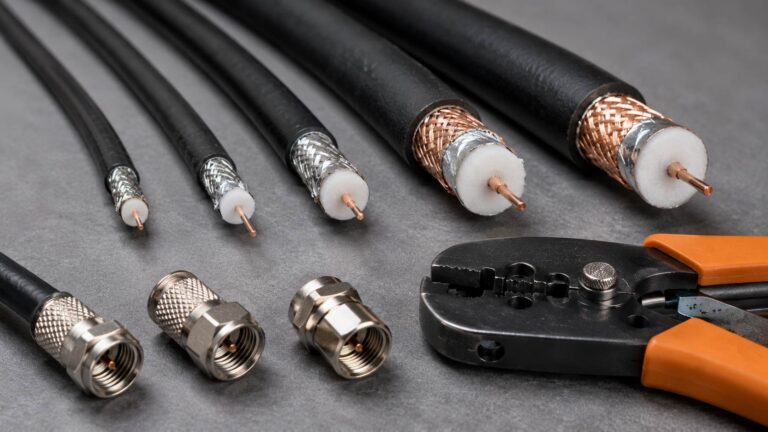
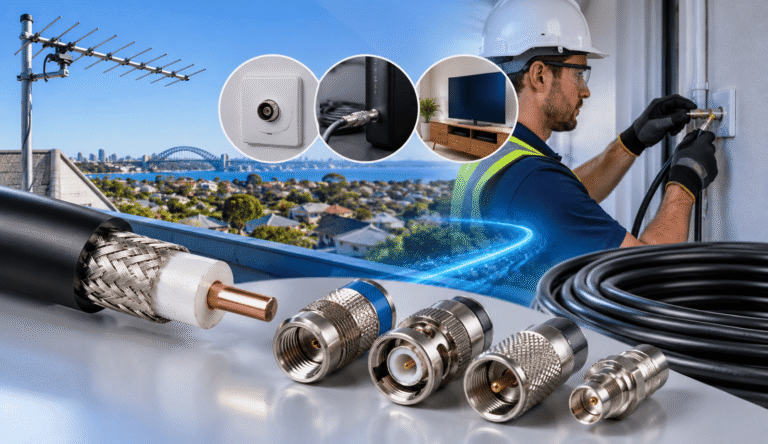
- Cabling and connections
- System configuration
- Programming
- Testing and commissioning
- Fault finding
- Preventative maintenance
- Client requirements
- Workplace health and safety
This is why professional security training can be important for anyone wanting to develop practical skills in the field.
What Security Courses Can You Study at Milcom Institute?
Milcom Institute offers training focused on two important areas of electronic security:
CCTV Installation and Alarm Installation.
Both areas involve different technologies and applications, but they share several essential skills, including installation, testing, troubleshooting, maintenance and customer-focused service.
Let’s look at what each course can help you learn.
CCTV Installation Course: Build Skills in Modern Video Surveillance
What Is a CCTV Installation Course?
A CCTV Installation Course teaches learners the practical knowledge involved in installing, servicing, maintaining and troubleshooting CCTV and associated security systems.
CCTV, or Closed-Circuit Television, has become an important component of modern security solutions. From residential properties to commercial facilities, surveillance cameras can help monitor environments and provide recorded footage when required.
Milcom Institute’s CCTV Installation Course is designed to provide a combination of technical knowledge and practical learning.
What Do You Learn in CCTV Installation Training?
A quality CCTV course should cover more than simply mounting cameras.
Participants can develop knowledge and skills in areas such as:
- CCTV and Audio System Installation
Learn about installing CCTV cameras and associated audio systems, including equipment types, positioning and system integration.
Correct positioning is particularly important because camera placement can influence the quality and usefulness of surveillance footage.
- CCTV Fault Finding
Security systems need to work reliably. Training can help learners understand how to identify and diagnose common system faults, including equipment, software and connectivity problems.
- CCTV Maintenance
Regular maintenance can help keep security systems operating effectively.
This can include equipment inspections, cleaning, software updates, hardware checks and identifying potential issues before they become larger problems.
- Security Equipment Servicing
Security technicians may need to service equipment, replace faulty components, carry out upgrades and address system performance issues.
Understanding these processes can help develop broader technical capability.
- Installation Planning
Successful security installation begins before the first camera is mounted.
Learners can develop knowledge of site assessment, installation planning, equipment requirements and coordination of security installation activities.
- Workplace Safety and Risk Control
Safety should always be part of technical installation work.
Training includes consideration of OHS and risk control procedures, helping participants understand the importance of working safely when installing and servicing security equipment.
What Does a CCTV Course Cover?
A CCTV installation course can cover a range of technical and practical topics, including:
- CCTV system fundamentals
- Types of surveillance cameras
- Camera installation and positioning
- Cabling and wiring
- Network setup
- CCTV software configuration
- Monitoring and recording
- Remote access
- System testing
- Troubleshooting
- Maintenance
- Security equipment servicing
- Safety and risk control
The combination of theory and practical activities can help learners better understand how CCTV systems operate in real-world environments.
Alarm Installation Course: Learn the Skills Behind Security Alarm Systems
What Is an Alarm Installation Course?
An Alarm Installation Course focuses on the practical skills required to install, configure, program, test, maintain and troubleshoot security alarm systems.
Alarm systems can provide an important layer of protection for homes, businesses and other properties by detecting defined security events and generating alerts.
However, an effective alarm system depends on correct installation and configuration.
Milcom Institute’s Alarm Installation Course helps participants develop practical knowledge across the installation and servicing process.
What Will You Learn in Alarm Installation Training?
- Program Security Systems
Learn how to program security equipment and systems according to specific requirements.
Understanding programming is important because security systems often need to be configured according to the environment and intended application.
- Understand Client Requirements
Security solutions should be designed around the client’s needs.
Training covers presenting system specifications and configurations in a way that aligns with client requirements.
- Install, Test and Fault-Find Systems
Participants can develop hands-on knowledge of security system installation, testing and fault finding.
Testing is an essential part of installation because it helps identify issues before a system is placed into service.
- Perform Routine Maintenance
Security systems require ongoing attention.
Learners can develop knowledge of preparing for maintenance, performing maintenance activities and completing relevant post-maintenance processes.
- Identify Security Requirements
Understanding what a client or site requires is an important part of security work.
Training helps participants develop skills in identifying and documenting security requirements.
- Commission and Decommission Systems
Learners can understand the processes involved in commissioning security equipment and systems, as well as decommissioning them when required.
- Provide Professional Client Service
Technical knowledge is only part of working in the security industry.
Security professionals also need to communicate effectively with clients, understand their requirements and provide clear estimates and quotations.
What Does an Alarm Installation Course Cover?
Typical training areas include:
- Alarm system fundamentals
- Security alarm equipment
- Sensors and detection devices
- Control panels
- Wiring and installation
- System configuration
- Alarm programming
- Testing and commissioning
- Fault finding
- Routine maintenance
- Security equipment servicing
- Client requirements
- Documentation
- Estimates and quotations
This combination of technical and customer-focused skills can help learners develop a more complete understanding of security alarm installation.
CCTV vs Alarm Installation: What’s the Difference?
Although CCTV and alarm systems are both used for security, they serve different primary functions.
| CCTV Installation | Alarm Installation |
| Focuses on video surveillance | Focuses on security alerts |
| Involves camera installation | Involves alarm equipment and sensors |
| Includes recording and monitoring | Includes detection and alarm activation |
| Requires camera positioning | Requires sensor and equipment configuration |
| Includes testing and fault finding | Includes testing and fault finding |
| Includes maintenance and servicing | Includes maintenance and servicing |
Which One Should You Learn?
It depends on your career goals.
If you’re interested in video surveillance, cameras, monitoring and CCTV technology, CCTV installation training may be the better fit.
If you’re more interested in security alarms, sensors, programming and system configuration, alarm installation training may be more suitable.
For professionals wanting broader electronic security knowledge, developing skills in both CCTV and alarm installation can provide a wider technical foundation.
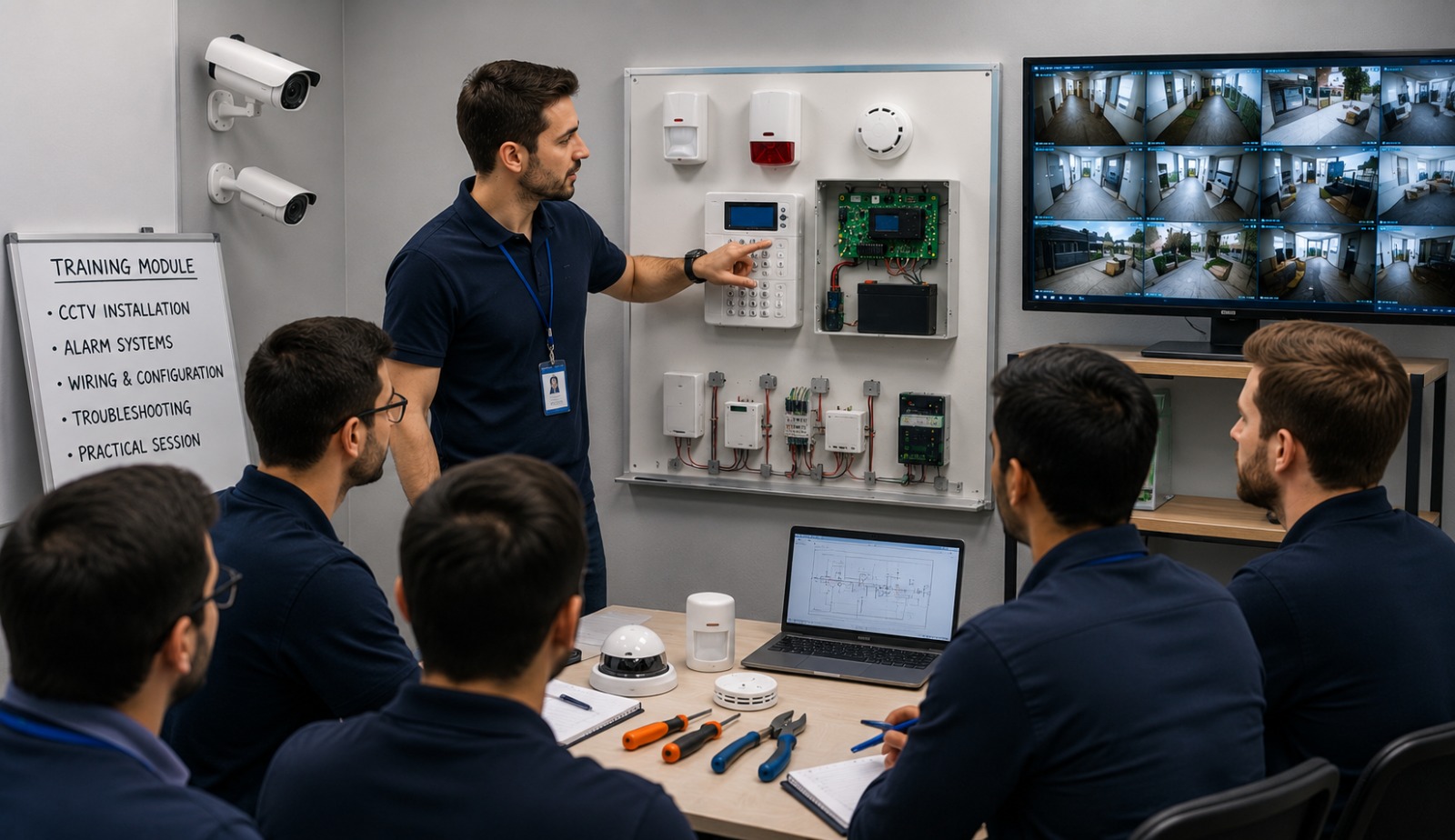
Why Is Practical Training Important for Security Technicians?
Security installation is a hands-on field.
Reading about CCTV cameras or alarm systems is useful, but practical experience can help learners understand how systems behave in real installation environments.
Hands-on training can help develop skills such as:
- Using security installation equipment
- Connecting system components
- Configuring systems
- Testing installations
- Identifying faults
- Performing maintenance
- Following safety procedures
- Working through practical installation scenarios
Practical learning can also help build confidence when transitioning from training into real-world technical work.
Who Should Consider CCTV and Alarm Installation Training?
Security courses may be worth considering if you are:
- Interested in starting a career in electronic security
- Already working as a technician
- Looking to expand your technical skills
- Interested in CCTV technology
- Interested in security alarm systems
- Looking to develop installation and troubleshooting skills
- Working in a related telecommunications or technical field
Before enrolling, always check the specific course requirements and any licensing, registration or regulatory requirements that may apply to the security work you intend to perform in Australia.
Can Security Training Help With Career Development?
Developing technical security skills can open pathways into different areas of the security technology industry.
Depending on your qualifications, experience and applicable requirements, relevant skills may support work involving:
- CCTV installation
- Alarm installation
- Security equipment servicing
- Security system maintenance
- Security system testing
- Fault finding
- Technical security services
The security industry continues to change as businesses adopt more connected and sophisticated security technologies. Building strong technical fundamentals can therefore be useful for both new and experienced technicians.
Why Choose Milcom Institute for Security Training?
Choosing a training provider is an important decision, particularly when learning technical skills that require practical application.
Milcom Institute focuses on practical technical education designed to help participants develop industry-relevant capabilities.
Industry-Relevant Training
Learn concepts and skills that relate to real-world security installation and servicing.
Hands-On Learning
Practical activities can help participants gain experience with security equipment and installation processes.
Experienced Trainers
Learn from trainers with technical and industry experience who can connect classroom concepts with practical applications.
Comprehensive Course Content
Training covers key areas including installation, configuration, programming, testing, troubleshooting and maintenance.
Career-Focused Skills
Develop technical capabilities that can support your ongoing professional development within the security industry.
Ready to Build Your Security Skills?
The future of security is increasingly connected, intelligent and technology-driven.
From CCTV surveillance systems to security alarms, skilled technicians play an important role in installing, maintaining and servicing the technology businesses and property owners rely on.
Whether you’re starting your technical career or looking to expand your existing capabilities, learning CCTV installation and alarm installation can be a practical step towards building your security industry skill set.
Explore Milcom Institute’s security training options and discover how practical training can help you take the next step in your technical career.
Frequently Asked Questions About Security Courses
What is a CCTV installation course?
A CCTV installation course teaches the practical skills involved in installing, configuring, testing, maintaining and troubleshooting CCTV and related security systems.
What is an alarm installation course?
An alarm installation course teaches skills related to installing, programming, testing, maintaining and fault-finding security alarm systems.
Are CCTV and alarm installation the same?
No. CCTV primarily focuses on video surveillance, while alarm systems are designed around security detection and alerts. However, both require technical installation, testing, troubleshooting and maintenance skills.
Is practical training important for CCTV installation?
Yes. CCTV installation involves hands-on activities such as equipment installation, system configuration, testing and troubleshooting. Practical training can help learners develop confidence with these tasks.
What skills do I need to become a security technician?
Useful skills include technical problem-solving, equipment installation, system configuration, troubleshooting, maintenance, communication and workplace safety awareness.
Can I learn CCTV and alarm installation together?
Developing skills in both areas can provide broader knowledge of electronic security systems. The appropriate training pathway depends on your career goals and applicable industry requirements.
Is security installation a good career option in Australia?
Security technology continues to evolve across residential, commercial and other environments. Developing recognised and relevant technical skills can help individuals pursue opportunities in the security technology sector, subject to applicable qualifications, licensing and registration requirements.
Where can I study CCTV and alarm installation training?
Milcom Institute provides training in CCTV installation and alarm installation designed to develop practical technical skills for security applications.
Final Takeaway
Security technology is changing. Your skills should evolve with it.
Whether your interest is in surveillance cameras, alarm systems, system programming, fault finding or security equipment maintenance, the right training can provide a strong foundation for developing practical technical expertise.
With CCTV Installation and Alarm Installation training from Milcom Institute, you can build knowledge across two important areas of modern electronic security and take a confident step towards your professional goals.