
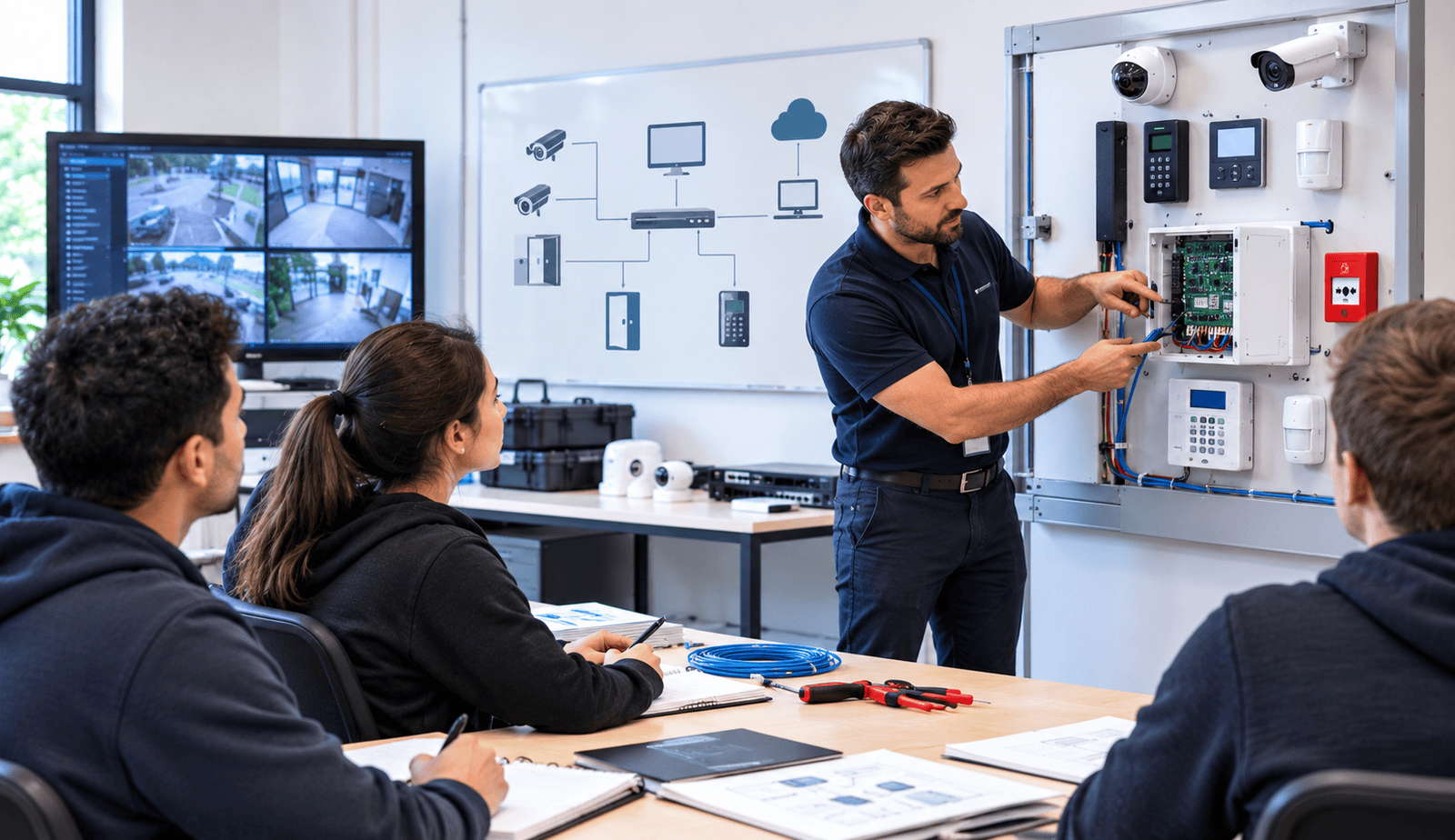
Australia’s electronic security industry continues to evolve with technologies such as CCTV, electronic alarms, access control, IP networking and integrated security systems. For people looking to build technical skills in this industry, a Security Technician Certification Program can provide valuable knowledge and practical training for working with modern security technologies.
A security technician typically installs, configures, maintains, troubleshoots and repairs technical security systems across residential, commercial and institutional environments.
At MILCOM Communications, technical security training focuses on practical skills for technologies including CCTV installation, alarm systems, cabling, electronic security equipment and integrated security solutions.
What Does a Security Technician Do?
A security technician is a technical professional responsible for installing, testing, maintaining and troubleshooting electronic security systems.
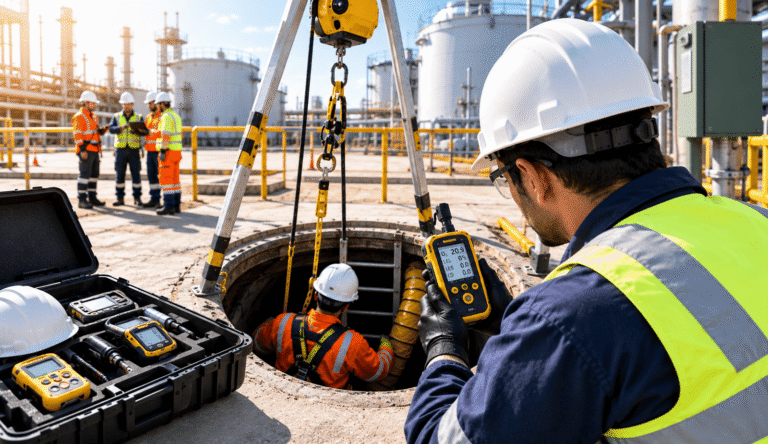
Unlike office-based roles, security technician positions are often field-based. Technicians may travel to homes, commercial buildings, construction sites, offices, educational facilities and other customer locations to install or service security equipment.
Common Security Technician Responsibilities
Depending on the role and level of experience, responsibilities may include:
- Assessing customer requirements and security needs
- Installing CCTV and surveillance systems
- Installing and servicing electronic alarm systems
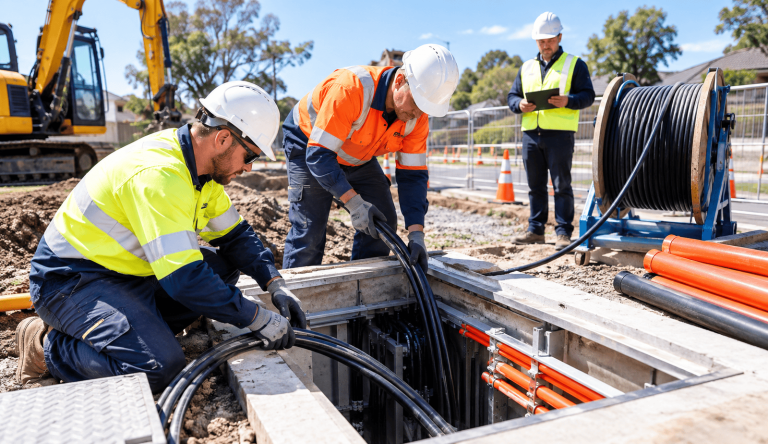
- Installing security cabling and associated equipment
- Configuring security devices and controllers
- Testing and commissioning security systems
- Troubleshooting faults and technical issues
- Performing preventative maintenance
- Demonstrating system operation to customers
- Replacing faulty components
- Working with access control and integrated security technologies
- Following workplace health and safety requirements
- Maintaining installation and service records
The exact duties can vary depending on the employer, technology, site and relevant licensing requirements.
How Do You Become a Security Technician in Australia?
A common pathway into technical security is to develop relevant technical knowledge through recognised training, followed by practical experience in the industry.
Depending on the role, an aspiring technician may benefit from:
- Completing relevant technical or security training.
- Developing practical skills in CCTV, alarms, cabling and electronic security systems.
- Understanding basic electrical and electronic principles.
- Gaining hands-on industry experience.
- Meeting applicable state or territory licensing and regulatory requirements.
- Continuing professional development as security technologies evolve.
It is important to check the current licensing requirements that apply to the specific security work you intend to perform because requirements can differ between Australian states and territories.
Why Study Technical Security Courses in Australia?
The security industry is increasingly technology-driven. Modern security installations can combine CCTV cameras, electronic alarms, access control, networking and other connected technologies.
As a result, technicians need more than basic installation knowledge. They need an understanding of how different components work together and how to identify and resolve technical problems.
A technical security course can help learners develop foundational knowledge in areas such as:
- CCTV and video surveillance
- Electronic alarm systems
- Security cabling
- Sensors and detectors
- Controllers and relays
- Bells and sirens
- Access control
- IP-based security systems
- Basic networking concepts
- Electronic principles
- Testing and fault finding
- Installation and termination techniques
What Do You Learn in a Security Technician Training Program?
A comprehensive technical security training program can introduce students to the equipment, technologies and practical techniques used by security installers and technicians.
CCTV Installation and Surveillance
CCTV is one of the most widely used electronic security technologies. Training can cover fundamental concepts such as:
- CCTV cameras and components
- Camera positioning
- Lenses and focal length
- Cabling requirements
- Video transmission
- Recording systems
- System configuration
- Basic troubleshooting
- Installation practices
Understanding camera selection and positioning is important because factors such as viewing area, lens characteristics, lighting and installation location can affect surveillance performance.
Electronic Alarm Systems
Alarm installation training can introduce learners to the principles and components used in electronic security alarm systems.
Topics may include:
- Alarm control panels
- Sensors and detectors
- Relays
- Sirens and sounders
- Alarm circuits
- System configuration
- Testing procedures
- Fault identification
- Maintenance practices
Security Cabling and Termination
Cabling is a fundamental part of many technical security installations. Technicians need to understand appropriate cabling practices, termination techniques and how cables connect different security devices.
Access Control
Modern security environments can use electronic access control systems to manage and monitor entry to buildings and restricted areas.
Depending on the training program, students may be introduced to:
- Access control components
- Controllers
- Readers
- Electronic locking systems
- Cabling
- System integration
- Basic troubleshooting
IP Networking for Security Systems
The growth of IP-based CCTV and network-connected security equipment has increased the importance of networking knowledge for technicians.
Understanding basic networking concepts can help technicians work with modern IP security systems and identify common connectivity issues.
Key Skills for a Modern Security Technician
Technology in the security industry continues to change, so technicians can benefit from developing a combination of practical and technical skills.
Important skills include:
Technical knowledge: Understanding security equipment, cabling, electronic components and system operation.
Installation skills: Installing and terminating equipment correctly and safely.
Troubleshooting: Identifying faults and determining appropriate corrective actions.
Networking knowledge: Understanding basic IP networking for connected security systems.
Communication: Explaining system operation and technical issues clearly to customers and colleagues.
Safety awareness: Following relevant workplace health and safety procedures and site requirements.
Problem-solving: Diagnosing technical issues across different security environments.
Security Technician Certification: Understanding the ASIAL Connection
The Australian Security Industry Association Limited (ASIAL) is a national industry association representing organisations and professionals within Australia’s security industry.
ASIAL has played a role in promoting professionalism, industry standards, codes of conduct and awareness across the Australian security sector.
The security industry has also experienced significant technological change, including the growth of IP-based security solutions and connected systems. These developments have contributed to changing skill requirements for technical security professionals.
Security Technician Certification Levels
The source material for this article refers to a Security Technician Certification structure with three levels:
- Level 1 – Certified Security Technician (CST)
- Level 2 – Advanced Security Technician (AST)
- Level 3 – Master Security Technician (MST)
Because certification and licensing frameworks can change, prospective students should confirm the current ASIAL certification requirements, eligibility criteria and recognition status directly with ASIAL before enrolling or describing a qualification as an ASIAL certification.
What Technologies Are Covered in Technical Security?
Technical security training can cover several interconnected technology areas.
| Security Technology | What Technicians May Learn |
| CCTV | Camera installation, configuration, cabling and troubleshooting |
| Alarm Systems | Sensors, control panels, circuits and testing |
| Access Control | Controllers, readers, locks and system integration |
| Cabling | Cable selection, installation and termination |
| IP Networking | Basic network concepts for connected security systems |
| Electronic Security | Components, principles and system operation |
Learning across these areas can help technicians understand how individual security technologies operate and how they can work together as part of an integrated security environment.
MILCOM Technical Security Courses
MILCOM Communications provides technical security training designed to develop practical knowledge for people entering or advancing within the security technology sector.
MILCOM’s Technical Security Courses cover technologies used in residential and commercial security environments, including CCTV, alarms and other electronic security solutions.
Training can introduce students to:
- CCTV cameras and surveillance systems
- Alarm systems
- Security equipment
- Cabling and termination techniques
- Electronic principles
- Controllers and detectors
- Relays
- Bells and sirens
- Security system operation
- Installation techniques
- Fault finding and maintenance
Explore MILCOM Technical Security Courses
Who Can Benefit From Technical Security Training?
Technical security courses may be suitable for:
- People starting a career in electronic security
- Aspiring security technicians
- Security installers looking to expand their technical skills
- Telecommunications technicians moving into security technologies
- Technicians interested in CCTV installation
- Professionals looking to develop alarm installation skills
- Workers seeking practical knowledge of modern security systems
Course entry requirements, licensing requirements and eligibility can vary depending on the specific course and the type of security work being pursued.
Why Practical Training Matters for Security Technicians
Security technology is highly practical. Knowing how a system works theoretically is important, but technicians also need to understand how equipment, cables and components are installed, connected, tested and maintained in real-world environments.
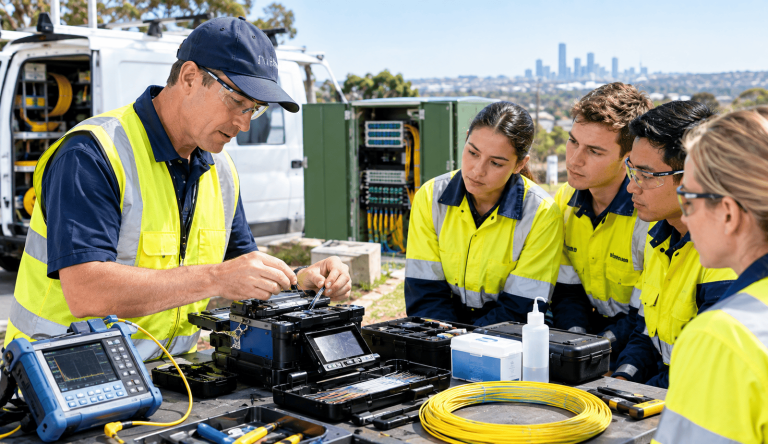
Hands-on training can help learners develop confidence with tools and equipment while practising installation and troubleshooting techniques in a controlled training environment.
For someone planning a career as a security technician, combining formal training with supervised practical experience can provide a stronger foundation for working in the industry.
Security Technician Career Opportunities
Technical security skills can support career pathways in areas such as:
- Security technician
- CCTV installer
- Alarm technician
- Electronic security installer
- Security systems technician
- Access control technician
- Security systems service technician
- Technical security support roles
Actual job titles, responsibilities, salary levels and licensing requirements vary by employer, location, experience and specialisation.
Frequently Asked Questions About Security Technician Courses
What is a security technician?
A security technician installs, configures, tests, maintains and troubleshoots electronic security systems such as CCTV, alarms and access control equipment.
What does a security technician install?
Depending on the role, a technician may install CCTV cameras, alarm systems, sensors, detectors, access control equipment, security cabling and other electronic security technologies.
What skills do I need to become a security technician?
Useful skills include basic electronics, cabling and termination, CCTV, alarm systems, troubleshooting, networking fundamentals, communication and workplace safety.
Are CCTV and alarm installation skills useful for security technicians?
Yes. CCTV and electronic alarm systems are important parts of technical security, and knowledge of their installation, configuration, testing and maintenance can be valuable for technicians.
Does a security technician need a licence in Australia?
Licensing requirements depend on the type of security work and the state or territory where the work is performed. Always check the current requirements with the relevant Australian state or territory authority before undertaking regulated security work.
What is ASIAL?
ASIAL stands for the Australian Security Industry Association Limited. It is a national industry association representing security organisations and professionals in Australia.
What technical security courses does MILCOM offer?
MILCOM offers technical security training covering areas such as CCTV installation, alarm installation and related security technologies.
How can I find out more about MILCOM technical security training?
You can visit the MILCOM Technical Security Courses page for current course information, training options and enrolment details.
View MILCOM Technical Security Courses
Build Your Technical Security Skills with MILCOM
The demand for technically skilled security professionals is closely connected to the continued development of CCTV, alarms, access control, IP networking and integrated security systems.
Whether you are exploring a career in electronic security or looking to expand your existing technical skills, structured training can help you develop a foundation in modern security technologies.
MILCOM Communications provides practical technical security training designed to help learners build relevant installation and technical skills for the Australian security industry.
Explore the available Technical Security Courses at MILCOM and discover training options that align with your career goals.