
The demand for technical security professionals in Australia continues to grow as businesses, residential properties and organisations increasingly rely on electronic security systems to protect people, property and assets.
Unlike traditional physical security services, modern security environments can combine technologies such as CCTV, access control, intruder alarms, intercoms and integrated electronic security systems.
This creates opportunities for people who want to build practical skills in security system installation, maintenance, testing and fault finding.
For aspiring security technicians and experienced tradespeople looking to upskill, completing a relevant technical security course in Australia can be a valuable step towards developing industry knowledge and practical capabilities.
What Is a Technical Security Technician?
A technical security technician installs, configures, tests, maintains and troubleshoots electronic security systems used in residential, commercial and other environments.
Depending on the role and required authorisations, a security technician may work with systems such as:
- CCTV and IP CCTV
- Intruder alarms
- Access control systems
- Intercom systems
- Electronic surveillance equipment
- Security sensors
- Integrated security systems
- Communication and networking equipment
Modern security technicians need more than installation skills. They may also need to understand system testing, fault diagnosis, customer communication and safe work practices.
Why Are Technical Security Skills in Demand in Australia?
Security technology is becoming increasingly sophisticated. Organisations are adopting integrated systems that can combine surveillance, access management, alarms and network-connected devices.
This means businesses need technicians who can understand how different security technologies work together.
Current Australian job advertisements for electronic security technicians commonly include responsibilities such as installing, maintaining, commissioning and troubleshooting systems including CCTV, alarms, access control and intercoms. Some roles also require relevant state licensing or cabling registration.
For professionals entering the industry, this makes practical technical training an important part of building job-ready skills.
What Career Opportunities Can You Explore After Security Training?
Completing appropriate technical security training can support career pathways in areas such as:
- Security systems installation
- CCTV installation and servicing
- Alarm system installation
- Access control installation
- Electronic security maintenance
- Security systems commissioning
- Technical support
- Security system fault finding
- Security integration
- Security technology contracting
Your actual job opportunities will depend on your qualifications, practical experience, location, employer requirements and any applicable licensing or registration requirements.
What Does a Security Systems Installer Do?
A security systems installer is responsible for installing and maintaining electronic security equipment according to project requirements and applicable procedures.
Typical responsibilities can include:
-
Discuss Security Requirements With Clients
Technicians may communicate with clients to understand their security requirements, site conditions and system needs.
-
Survey the Installation Site
Before installation, technicians may inspect the property and determine suitable locations for cameras, sensors, control panels, access control equipment and other devices.
-
Install Security Equipment
Depending on the project, a technician may install systems such as:
- CCTV cameras
- IP cameras
- Intruder alarms
- Access control devices
- Intercoms
- Sensors
- Control panels
- Related cabling and communication equipment
-
Configure and Test Security Systems
After installation, systems need to be tested and configured to ensure that the equipment operates as intended.
Technicians may need to identify faults, check connections and verify system performance.
-
Explain System Operation to Customers
A professional technician may also explain the basic operation of the installed system to customers or end users.
Good communication skills are therefore an important part of technical security work.
-
Service and Maintain Existing Systems
Security technicians can also perform maintenance and service work on existing installations.
This may include inspecting equipment, identifying faults, replacing components and restoring system functionality.
-
Troubleshoot Security System Faults
Fault finding is an important technical skill.
Technicians need to approach problems systematically to identify potential issues with equipment, connections, configuration or communication between system components.
What Skills Should a Security Technician Develop?
A successful technical security professional needs a combination of technical, practical and communication skills.
Important skills can include:
- CCTV installation
- IP CCTV fundamentals
- Alarm installation
- Access control fundamentals
- Cable installation
- System testing
- Fault finding
- Equipment configuration
- Basic networking knowledge
- Safe work practices
- Customer communication
- Problem solving
- Technical documentation
Developing skills across multiple security technologies can help technicians adapt to different installation and service environments.
How Much Can a Security Technician Earn in Australia?
Security technician salaries can vary depending on the specific job title, experience, location, qualifications, licensing requirements and employer.
For example, current Australian salary data for the broader Security Specialist category on Indeed reports an average base salary of around $89,963 per year, while individual electronic security technician vacancies can advertise different ranges.
This should be treated as an indication rather than a guaranteed salary. Technical security salaries can vary significantly across Australia, particularly between entry-level, experienced, specialist and supervisory roles.
Why Practical Security Training Matters
Technical security is a practical profession.
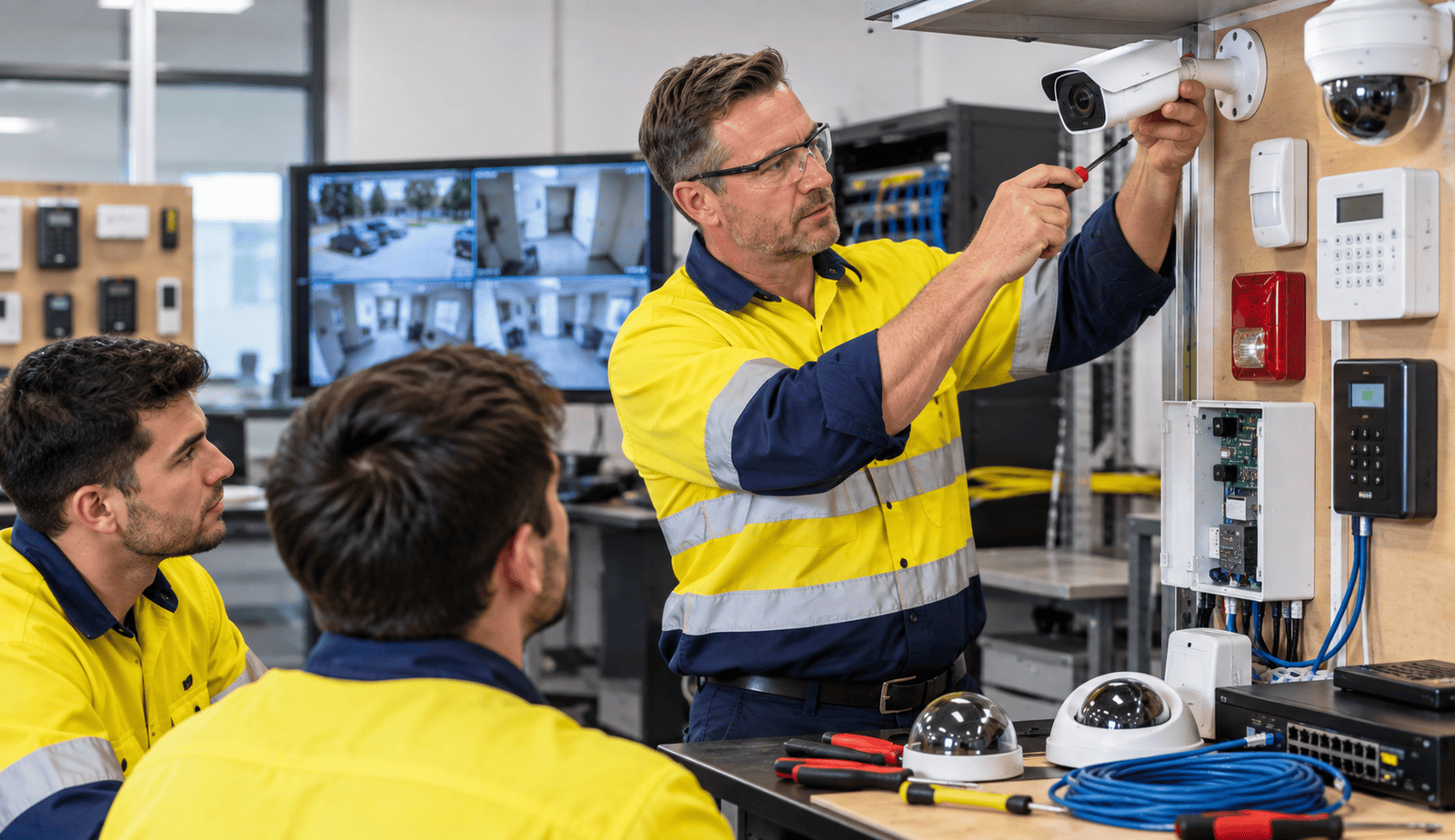
Reading about CCTV, alarms or access control is useful, but technicians also need to understand how to work with equipment and apply technical procedures in realistic environments.
Practical training can help learners develop confidence in areas such as:
- Identifying security equipment
- Installing security devices
- Connecting systems correctly
- Testing installed equipment
- Troubleshooting faults
- Working with tools
- Following safe work procedures
- Understanding installation requirements
Hands-on learning can therefore complement theoretical knowledge and workplace experience.
MILCOM Technical Security Training
MILCOM Institute provides practical telecommunications and technical security training designed to help learners develop industry-relevant skills.
MILCOM’s technical security training covers areas such as CCTV installation and alarm installation, helping participants build practical knowledge of electronic security technologies.
The training environment is designed to provide learners with opportunities to develop hands-on skills while learning from trainers with relevant industry experience.
For professionals who already work in telecommunications or cabling, combining technical security training with telecommunications skills can also provide a broader technical skill set.
MILCOM CCTV Installation Training
CCTV installation training can help learners understand the practical requirements associated with video surveillance systems.
Key areas may include:
- CCTV system components
- Camera installation
- Cable and connection requirements
- System configuration
- Testing procedures
- Fault identification
- Practical installation techniques
- Safe work practices
CCTV skills can be relevant to technicians working across residential, commercial and other security environments.
MILCOM Alarm Installation Training
Alarm installation training focuses on developing practical knowledge associated with electronic alarm systems.
Participants can learn about areas such as:
- Alarm system components
- Sensors and detection devices
- Control panels
- Installation procedures
- System testing
- Fault finding
- Maintenance practices
- Safe installation techniques
These skills can help technicians understand the fundamentals of installing and servicing electronic alarm systems.
Can Technical Security Training Lead to Self-Employment?
Technical security skills can also be relevant to professionals interested in becoming independent contractors or establishing a security technology business.
However, starting a security installation business in Australia involves more than completing a training course.
Depending on the state or territory and the type of work being undertaken, professionals may need to meet specific licensing, registration, insurance, business and regulatory requirements.
Always check the requirements applicable to your location and the security work you intend to perform.
Technical Security + Telecommunications: A Valuable Combination
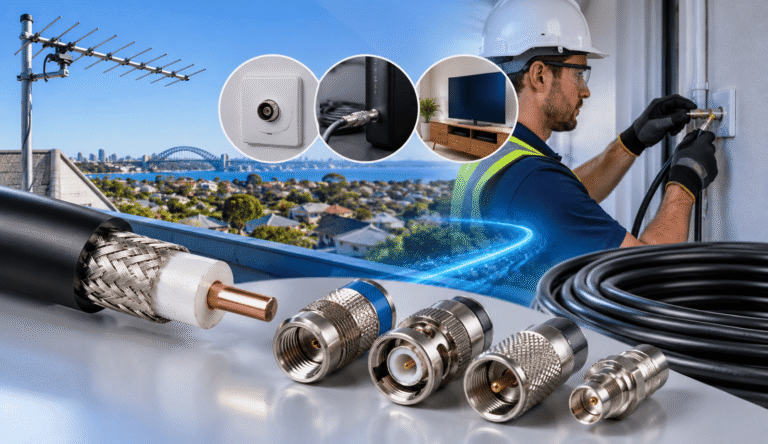
Security systems increasingly depend on communication networks, structured cabling, IP technology and other telecommunications infrastructure.
This creates an opportunity for technicians to develop complementary skills.
Combining knowledge of:
Telecommunications + Cabling + CCTV + Alarm Systems + Networking
can provide a broader technical foundation for working with modern integrated security environments.
MILCOM offers training across telecommunications and technical security areas, allowing suitable learners to develop skills across related technology fields.
Who Should Consider a Technical Security Course?
Technical security training may be suitable for:
- Aspiring security technicians
- CCTV installation professionals
- Alarm technicians
- Telecommunications technicians
- Cabling professionals
- Electricians looking to expand their technical skills
- Security industry workers
- Maintenance technicians
- Contractors
- People interested in electronic security technology
The appropriate training pathway will depend on your existing experience, qualifications and career goals.
Key Takeaways
- Technical security technicians install, test, maintain and troubleshoot electronic security systems.
- CCTV, alarms, access control and integrated security technologies are important areas of modern technical security.
- Practical training can help develop installation, testing and fault-finding skills.
- Security technician salaries vary according to experience, location, role and employer.
- MILCOM provides practical training in areas including CCTV installation and alarm installation.
- Telecommunications and technical security skills can complement each other in modern connected security environments.
- Licensing and registration requirements may apply depending on the type of security work and the Australian state or territory.
Frequently Asked Questions About Technical Security Courses
What is a technical security course?
A technical security course provides training in areas such as CCTV, alarm systems, access control, electronic surveillance, installation, testing and fault finding.
What does a security technician do?
A security technician may install, configure, test, maintain and troubleshoot electronic security systems such as CCTV, alarms, access control and intercoms.
Is CCTV installation a good career option in Australia?
CCTV installation can be a career pathway within the broader electronic security industry. Opportunities depend on location, qualifications, practical experience, licensing requirements and employer demand.
What skills do I need to become a security technician?
Useful skills include CCTV installation, alarm systems, cabling, testing, troubleshooting, basic networking, communication and safe work practices.
Can a telecommunications technician move into technical security?
Yes. Telecommunications and technical security can share skills involving cabling, networking, communication systems and connected technology. Additional security-specific training may help technicians develop the knowledge required for particular roles.
Can I start a security installation business after completing a course?
Training alone does not automatically provide permission to operate a security business. Licensing, registration, insurance and other requirements can apply depending on the state or territory and the type of security work.
Does MILCOM offer technical security training?
MILCOM provides technical security training that includes areas such as CCTV installation and alarm installation, alongside telecommunications training.
Start Building Your Technical Security Skills With MILCOM
The Australian security industry is becoming increasingly technology-driven, creating opportunities for professionals who understand electronic security systems and practical installation procedures.
Whether you are starting your career, expanding your existing technical skills or combining telecommunications and security expertise, practical training can help you build a stronger technical foundation.
Explore MILCOM’s technical security training options and discover how practical CCTV and alarm installation training can support your professional development.
Contact MILCOM Institute to learn more about technical security courses, training options and enrolment requirements.