

Australia’s telecommunications industry continues to create opportunities for skilled technicians across cabling, fibre optics, data communications, NBN infrastructure, technical security and workplace safety. For people looking to enter the industry or upgrade their existing skills, choosing practical, industry-focused training can make a significant difference.
MILCOM Institute is an Australian Registered Training Organisation (RTO 6859) specialising in telecommunications, technical security, voice and data, and safety training. With training facilities in Melbourne, Sydney and Brisbane, MILCOM provides practical training designed around the skills technicians need in real-world work environments.
Why Study Telecommunications at MILCOM?
MILCOM has more than 20 years of experience in telecommunications and technical training, helping students and industry professionals develop practical skills for the Australian workforce.
Unlike training that focuses primarily on theory, MILCOM incorporates hands-on learning, simulated workplace environments and industry-relevant equipment. This gives students the opportunity to practise skills in conditions that closely reflect workplace activities.
Key Benefits of Studying at MILCOM
- Practical, hands-on telecommunications training
- Simulated workplace learning environments
- Industry-focused training and equipment
- Experienced and knowledgeable trainers
- Training options across Melbourne, Sydney and Brisbane
- Courses for new entrants and experienced professionals
- Opportunities to develop and update technical skills
- Training across telecommunications, security, data and safety
Whether you are starting your career or looking to expand your existing capabilities, MILCOM offers training pathways across several technical fields.
What Telecommunications Courses Does MILCOM Offer?
MILCOM provides training across multiple areas connected to Australia’s telecommunications and technical industries.
-
Telecommunications Training
Telecommunications is a broad industry covering areas such as cabling, fibre optics, network infrastructure and communications systems.
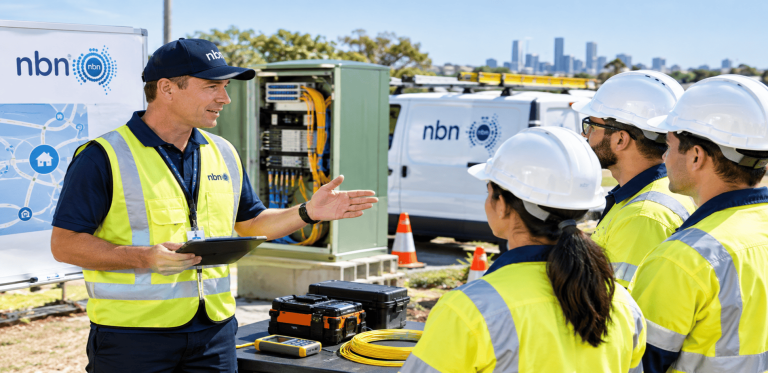
MILCOM’s telecommunications training can help students develop practical knowledge relevant to technical roles across the industry. Depending on the course, training may cover areas such as:
- Telecommunications cabling
- Structured cabling
- Optical fibre
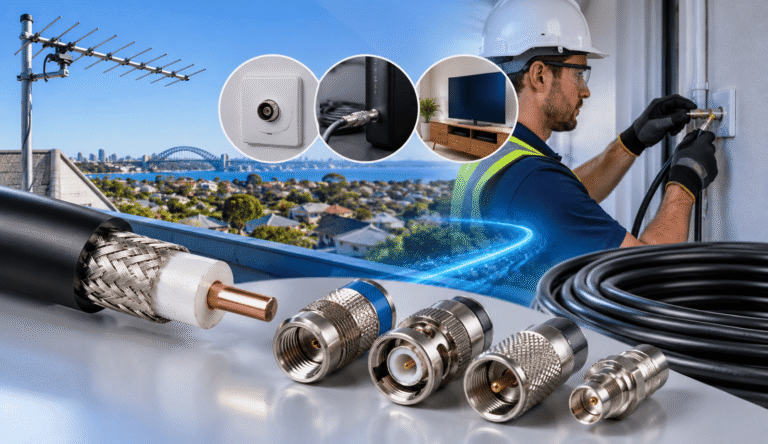
- Coaxial cabling
- NBN-related skills
- Underground telecommunications infrastructure
- Cabling installation and testing
- Workplace practices and safety
For people planning to work as telecommunications technicians or registered cablers, industry-recognised training can provide an important foundation for developing the required technical skills.
-
Technical Security Training
Technology plays an increasingly important role in protecting homes, businesses and other facilities.
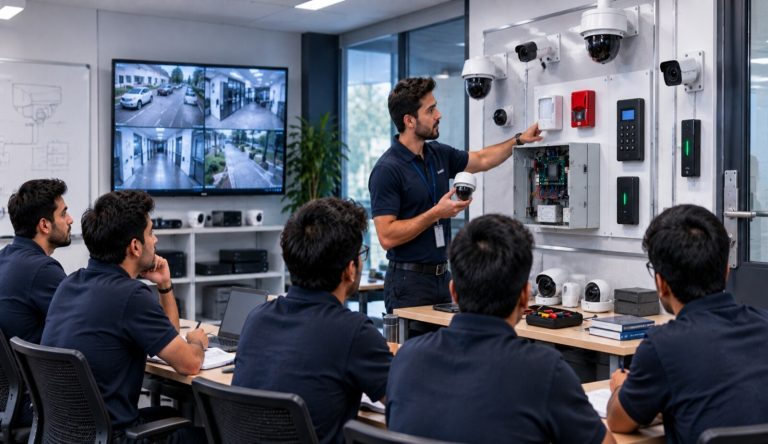
MILCOM provides technical security training covering areas such as CCTV/video surveillance systems and security alarm installation. Practical training helps students understand the equipment, installation processes and techniques used in technical security environments.
Training in this area can be relevant to people interested in developing skills in:
- CCTV installation
- Video surveillance systems
- Security alarm systems
- Security equipment installation
- Fault finding and maintenance
- Programming and configuration
Hands-on training can help students become familiar with the practical requirements involved in installing and maintaining security technology.
-
Voice and Data Training
Modern businesses rely heavily on reliable voice and data infrastructure. As digital connectivity continues to develop, technicians with relevant cabling and network infrastructure skills can support the installation and maintenance of communications systems.
MILCOM’s voice and data-related training focuses on developing practical technical knowledge that can be applied in telecommunications and communications infrastructure environments.
Students can build knowledge around areas such as:
- Data cabling
- Communications infrastructure
- Structured cabling
- Voice systems
- Network-related cabling
- Installation practices
- Testing and troubleshooting
These skills can complement broader telecommunications qualifications and help technicians expand their capabilities.
-
Safety Training for Telecommunications and Technical Industries
Technical skills are only one part of working safely on a telecommunications or technical security worksite.
MILCOM also provides industry-focused safety courses designed to help workers understand workplace hazards, safe work practices and the requirements associated with specific job activities.
Depending on the course, safety training may cover areas such as:
- Working safely at heights
- Power awareness
- Gas test atmospheres
- Traffic management
- Worksite safety
- Hazard awareness
- Safe work procedures
For telecommunications and technical workers, safety training can complement technical qualifications and help support safer workplace practices.
How Does MILCOM Prepare Students for the Real Workplace?
One of the key features of MILCOM training is its focus on practical learning and simulated workplace environments.
Students have opportunities to practise technical skills using industry-relevant equipment and training setups. This approach allows trainees to develop greater familiarity with tools, equipment, installation procedures and workplace practices before applying those skills in the field.
Experienced trainers also provide guidance throughout the learning process, helping students understand how technical concepts translate into practical workplace activities.
Who Can Benefit From MILCOM Training?
MILCOM courses can be relevant to a range of learners, including:
- People starting a career in telecommunications
- Existing telecommunications technicians
- Cablers looking to expand their skills
- Workers entering the NBN and communications sector
- Technical security professionals
- Data and communications technicians
- Workers seeking additional safety training
- Professionals looking to upskill or broaden their technical capabilities
The most suitable course will depend on your existing experience, career goals and the type of work you want to perform.
Why Is Practical Training Important in Telecommunications?
Telecommunications is a hands-on industry. Technicians may need to work with cables, fibre, communications equipment, tools and infrastructure in different workplace environments.
Practical training gives learners the opportunity to develop skills beyond simply understanding theoretical concepts.
By practising installation techniques, equipment use, testing procedures and workplace processes in a controlled environment, students can build familiarity with tasks they may encounter in the field.
This is particularly useful for learners who want to transition from training into a technical role in the Australian telecommunications industry.
Build Skills for Australia’s Telecommunications Industry
From telecommunications cabling and fibre optics to data infrastructure, NBN-related work and technical security, there are many specialised areas within Australia’s communications sector.
The right training can help you identify the area that matches your career interests and build relevant technical capabilities.
MILCOM’s range of telecommunications and technical training courses provides pathways for both new industry entrants and experienced professionals looking to upskill.
Frequently Asked Questions About Studying at MILCOM
What is MILCOM?
MILCOM Institute is an Australian Registered Training Organisation specialising in telecommunications, technical security, voice and data, and safety training.
Where does MILCOM provide training?
MILCOM has training facilities in Melbourne, Sydney and Brisbane, providing access to practical industry training in multiple Australian locations.
Is MILCOM suitable for beginners?
Yes. MILCOM offers courses for people entering the telecommunications and technical industries as well as existing professionals looking to develop additional skills. Course entry requirements can vary, so check the individual course before enrolling.
Does MILCOM provide practical telecommunications training?
Yes. MILCOM incorporates hands-on learning and simulated workplace environments into its training, helping students practise relevant technical skills.
What areas can I study at MILCOM?
MILCOM provides training across areas including telecommunications, technical security, voice and data, and workplace safety. Specific courses cover different technical and safety skills.
Can existing telecommunications workers upskill at MILCOM?
Yes. MILCOM provides training options for existing industry professionals who want to expand their technical skills, add new competencies or complete relevant safety training.
Start Your Telecommunications Training Journey With MILCOM
Choosing the right training can help you build practical skills and prepare for opportunities within Australia’s telecommunications and technical industries.
With industry-focused training, practical learning environments, experienced trainers and locations in Melbourne, Sydney and Brisbane, MILCOM provides a range of pathways for people looking to enter, develop or progress within the telecommunications sector.
Ready to build your skills? Explore the MILCOM course range and find a training program aligned with your career goals.