
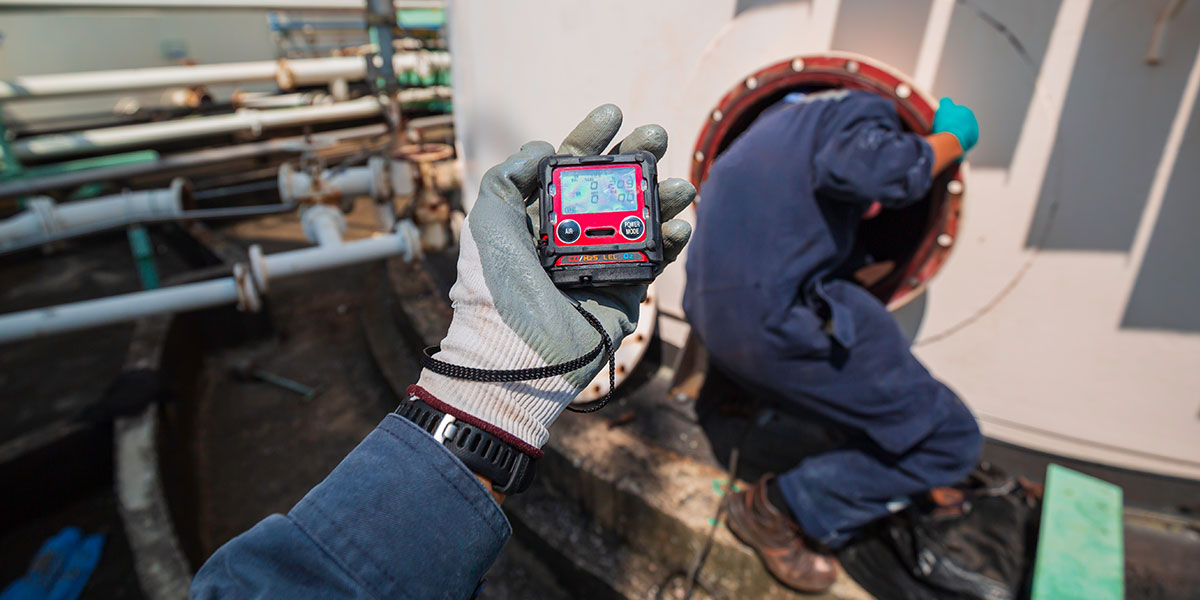
MILCOM’s Gas Test Atmospheres Training Courses – The Safety Courses That Matter in the Industry

Gas Test Atmospheres Training Courses

Working around underground telecommunications infrastructure can involve hazards that are not immediately visible. An atmosphere may contain flammable gases, toxic contaminants or insufficient oxygen, creating serious risks for workers entering pits, pipes, maintenance holes and other underground work areas.

This is where Gas Test Atmospheres training becomes important. Proper training helps workers understand how to assess an atmosphere, use gas detection equipment, interpret readings and take appropriate action before work begins.

MILCOM provides Gas Test Atmospheres training in Melbourne for eligible telecommunications and infrastructure workers who may be required to conduct atmospheric testing as part of their work.

What Is Gas Test Atmospheres Training?

Gas Test Atmospheres training teaches workers how to test and assess an atmosphere for potentially hazardous gases and oxygen levels before and during work.

The training focuses on using appropriate electronic gas detection equipment to determine whether an environment is suitable for the proposed work.

Workers learn how to:

  • Identify when atmospheric testing is required.
  • Select and operate appropriate gas testing equipment.
  • Monitor workplace atmospheres.
  • Interpret gas detector readings.
  • Identify hazardous atmospheric conditions.
  • Apply appropriate risk controls.
  • Follow workplace procedures.
  • Record and report test results.
  • Respond appropriately to unsafe readings.

The ability to correctly interpret atmospheric readings is particularly important in environments where conditions can change quickly.

Why Is Gas Testing Important for Workplace Safety?

Some workplace hazards cannot be identified simply by looking at the environment. Dangerous gases may be colourless or difficult to detect without specialised equipment.

Gas testing provides workers with information about atmospheric conditions before they enter or continue working in an area.

Depending on the environment and equipment being used, testing may identify conditions such as:

  • Oxygen deficiency
  • Oxygen enrichment
  • Flammable gases
  • Methane
  • Carbon monoxide
  • Toxic atmospheric contaminants
  • Potentially explosive atmospheres

For telecommunications workers operating around underground infrastructure, understanding these risks can support safer work practices and better hazard management.

Who Needs Gas Test Atmospheres Training in Australia?

Gas Test Atmospheres training is relevant to workers whose responsibilities may require them to assess potentially hazardous atmospheres before entering or working in particular areas.

The training can be especially relevant to telecommunications and infrastructure workers involved in:

  • Underground telecommunications work
  • Telecommunications carrier networks
  • Pit and pipe work
  • Maintenance holes
  • Underground infrastructure maintenance
  • Workplace atmospheric monitoring
  • Safety inspections
  • Hazard identification and risk control

The course is designed for people who need to understand how to use gas detection equipment and make appropriate decisions based on atmospheric readings.

What Is MSMWHS217 – Gas Test Environments?

MSMWHS217 – Gas Test Environments is a unit of competency associated with gas testing in workplace environments.

The training develops knowledge and skills related to identifying atmospheric hazards, conducting gas tests, interpreting readings and responding according to workplace procedures.

For workers who may need to perform atmospheric testing, understanding the principles covered by this unit can be an important part of workplace safety and competency.

Course eligibility, delivery arrangements and assessment requirements should be confirmed with the training provider before enrolment.

What Does Gas Test Atmospheres Training Cover?

A comprehensive gas testing program covers more than simply operating a gas detector. Workers need to understand atmospheric hazards, exposure limits, workplace procedures and the actions required when unsafe conditions are identified.

Work Permits and Workplace Procedures

Learners develop an understanding of work permit systems, organisational procedures and standard operating procedures (SOPs) relevant to gas testing activities.

Atmospheric Hazards and Contaminants

Training introduces common atmospheric hazards and contaminants that workers may encounter in underground or enclosed work environments.

Explosive Limits

Workers learn about explosive limits, including the Lower Explosive Limit (LEL) and Upper Explosive Limit (UEL), and why these measurements are important when assessing flammable atmospheres.

Exposure Standards

Gas testing also involves understanding exposure standards and how they relate to worker safety.

Topics can include:

  • Time-weighted average (TWA)
  • Short-term exposure limits (STEL)
  • Peak limitation values
  • Toxic effects of hazardous gases

Atmospheric Concentration Measurements

Workers may encounter different units when interpreting gas detector readings, including:

  • Parts per million (ppm)
  • Percentage by volume (% v/v)
  • Milligrams per cubic metre (mg/m³)

Understanding these measurements helps workers interpret results accurately and take action according to workplace procedures.

What Skills Do You Learn in Gas Testing Training?

Gas testing requires both technical knowledge and practical skills.

Through appropriate training, learners can develop the ability to:

  • Identify conditions where gas testing is required.
  • Assess workplace hazards and risks.
  • Select suitable gas detection equipment.
  • Set up and operate gas testing equipment.
  • Establish an appropriate testing regime.
  • Take and interpret atmospheric readings.
  • Select and use suitable personal protective equipment (PPE).
  • Apply risk control measures.
  • Maintain and clean gas testing equipment.
  • Record and report testing information.
  • Identify common testing or equipment issues.
  • Communicate safety information clearly with supervisors and other workers.

These skills help workers make informed decisions based on atmospheric conditions rather than relying on assumptions.

What Atmospheric Hazards Can Gas Detectors Identify?

The specific gases detected depend on the gas detector being used and the requirements of the workplace.

Gas testing may involve monitoring for hazards such as methane, carbon monoxide, oxygen deficiency, oxygen enrichment and other flammable or toxic gases.

Understanding the characteristics of different gases is also important. Gas density, concentration and exposure limits can influence how an atmosphere should be assessed.

Workers should always use equipment that is suitable for the intended application and follow the manufacturer’s instructions and relevant workplace procedures.

How Does Self-Paced Gas Test Atmospheres Training Work?

For eligible learners, self-paced training can provide flexibility while still requiring learners to demonstrate practical competency.

MILCOM’s self-paced learning pathway involves a combination of online theory, live training and practical assessment.

Step 1: Participate in Live Training

Eligible learners participate in a live webinar with a gas testing training specialist.

Step 2: Complete Online Learning

Learners complete the required online theory activities and assessments.

Step 3: Complete Practical Activities

A suitable person records the learner performing the required practical assessment tasks.

Step 4: Submit the Evidence

The practical assessment videos and required evidence are submitted for review.

Step 5: Trainer Assessment

A trainer reviews the submitted evidence and may contact the learner if further information or clarification is required.

This model can be useful for eligible workers who require flexibility around their work commitments.

Who Can Take the Self-Paced Gas Test Atmospheres Course?

Self-paced training is subject to specific entry and practical assessment requirements.

Eligible learners need access to:

  • Suitable gas detection equipment used for underground infrastructure.
  • Underground infrastructure where gas testing can be demonstrated.
  • A suitable pit, utility hole or maintenance hole for practical assessment where applicable.
  • Someone who can record the learner completing practical assessment activities.

Having access to the required equipment and workplace environment is important because gas testing competency involves practical skills as well as theoretical knowledge.

What Equipment Do You Need for Gas Testing Training?

If you are completing a self-paced gas testing course, you will need access to suitable technology and practical equipment.

This may include:

  • Computer or laptop with internet access.
  • Smartphone or suitable video recording device.
  • Appropriate gas tester or gas detection equipment.
  • Safety clothing.
  • Personal protective equipment (PPE).
  • Safety footwear.
  • Suitable underground work environment.
  • Access to a pit, utility hole or other relevant infrastructure for practical assessment.

Gas testing equipment should be appropriate for the intended application and maintained according to applicable requirements.

What Should You Bring to Gas Test Atmospheres Training?

Learners attending training may need to bring appropriate identification and workplace safety equipment.

Common requirements include:

  • Valid driver’s licence, passport or company photo ID.
  • Safety boots or closed-toe footwear.
  • Long sleeves and long pants.
  • Safety glasses.
  • Laptop or tablet for accessing learning materials.

Always check the specific requirements provided by MILCOM before attending your training.

Why Choose MILCOM for Gas Test Atmospheres Training in Melbourne?

Choosing the right safety training provider is important when your work involves potentially hazardous environments.

MILCOM’s training is designed with the requirements of telecommunications and infrastructure workers in mind. The Gas Test Atmospheres course focuses on practical knowledge that workers can apply when assessing workplace atmospheric conditions.

The training can help eligible workers understand:

  • When atmospheric testing is required.
  • How to use gas detection equipment.
  • How to interpret gas detector readings.
  • How atmospheric hazards can affect workplace safety.
  • How exposure limits are used.
  • How gas detectors should be maintained and tested.
  • How testing results should be recorded.
  • How to communicate safety information effectively.

For telecommunications professionals working around underground infrastructure, this knowledge can complement broader workplace safety and risk-management practices.

Gas Detector Maintenance and Testing: Why Does It Matter?

Having a gas detector is not enough. Equipment needs to be appropriately maintained and tested so workers can rely on the information it provides.

Gas testing training can cover areas such as:

  • Gas detector maintenance.
  • Bump testing.
  • Calibration requirements.
  • Test logs.
  • Detector records.
  • Correct equipment use.

Workers should follow manufacturer instructions, workplace procedures and applicable requirements when maintaining and operating gas detection equipment.

Frequently Asked Questions About Gas Test Atmospheres Training

What is a Gas Test Atmospheres course?

A Gas Test Atmospheres course provides workers with knowledge and practical skills to test workplace atmospheres, identify potential atmospheric hazards, interpret gas detector readings and take appropriate action.

What is MSMWHS217?

MSMWHS217 – Gas Test Environments is a unit of competency covering skills and knowledge associated with gas testing workplace environments.

Who should complete gas testing training?

Gas testing training can be relevant to workers who may need to monitor potentially hazardous atmospheres, particularly those working around underground telecommunications infrastructure and carrier networks.

Can Gas Test Atmospheres training be completed online?

Eligible learners may be able to complete a self-paced pathway involving online theory, live webinar training and practical assessment. Practical competency still needs to be demonstrated according to the course requirements.

What gases are commonly monitored during gas testing?

Depending on the work environment and equipment, gas testing may involve monitoring oxygen levels, methane, carbon monoxide and other flammable or toxic gases.

Do I need practical equipment for self-paced training?

Yes. Eligible self-paced learners need access to suitable gas detection equipment and an appropriate workplace environment where practical assessment activities can be completed.

How long do I have to complete the course?

According to MILCOM’s stated course conditions, students generally have three months from training to complete the required learning and demonstrate competency, subject to applicable enrolment and course conditions.

Is Gas Test Atmospheres training useful for telecommunications workers?

Yes. It can be particularly relevant to telecommunications workers who may work around underground pits, pipes, maintenance holes and other infrastructure where atmospheric hazards may need to be assessed.

Build Safer Workplace Practices with MILCOM

Gas testing plays an important role when workers may encounter hazardous atmospheric conditions. Understanding how to test an environment, interpret readings and respond appropriately can help support safer workplace practices.

If you are a telecommunications or infrastructure professional looking for Gas Test Atmospheres training in Melbourne, MILCOM offers training designed around the skills and knowledge required for atmospheric testing in relevant workplace environments.

Explore MILCOM’s MSMWHS217 – Gas Test Environments training to learn more about course requirements, delivery options and enrolment.

Related MILCOM Training

Train with MILCOM and build the knowledge and practical skills needed to work more safely around potentially hazardous atmospheres.

Industry Partners